New at New Forest
- March 2026 – We’ve launched a new series, Cheating Husband Stories.
Written by a variety of wives and ex-wives, this series is about trust, betrayal, and self-discovery.
We’re also launching a second, similar series – as yet to be named – with very different style and attitude. These books will be written by (“as told to”) Luna Belmont.
One of our authors, Shannon Bowen, is editing these books for continuity. We’re very excited, seeing how well these new titles are being received.
UPDATE: Due to the volume of new submissions for this series, we are pausing our call for fresh stories. However, we want to express our deepest sympathy if you’ve been a victim of cheating, and thank you for your interest in sharing your story. We will post here when we are ready for new book proposals.
- January 2026 – Author Shannon Bowen has joined our full-time team as an editor. Watch for new books bearing her name.
Featured Book
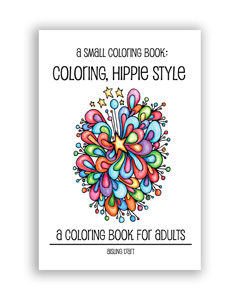 After over 10 years in print, Aisling D’Art‘s small coloring book, Coloring, Hippie Style, has – once again – surged in popularity.
Here’s its description.
Relax. Find yourself in a gentler time, when peace and love guided the planet… and inspired the hippie movement.
This small coloring book (5 1/4″ x 8″) will take you back to the 1960s, when art was inspired by the Beatles’ music, posters by Peter Max, and all things Woodstock.
You can download a free sample coloring page at this link.
Featured Author

As of 2026, Shannon Bowen’s earliest nonfiction books about child abuse remain popular.
Sadly, that’s a topic that needs steady monitoring.
Though Shannon wrote them only to get the attention of New Hampshire (USA) government offices, to fix a broken child protection system, her three-volume story has resonated with readers worldwide.
We applaud her courage and innovative efforts, and hope that no child has to endure what Shannon’s young neighbor did.
If you’re interested in a raw, unedited, and heartbreaking story, read the first book in Shannon’s original series, Momma, Don’t Hit Me!
Shannon is now editing our books about other domestic crises. Her first major project is our new series, Cheating Husband Stories.
Links We Love
New fiction authors are encouraged to read Save the Cat! Writes A Novel, by Jessica Brody. You can learn more at her website, JessicaBrody.com.
Also, we recommend how-to books related to “tropes” in authors’ respective niches. They can save you considerable time.
We also love these articles: How to Start Writing Again, by Mike Shreeve, and Scene Layering with an Example, by Rebecca Zanetti.
You may also enjoy this advice. Our authors have found it useful.
Coloring Books and Trademarks
Recently, some authors have worried about efforts to trademark popular and descriptive phrases related to coloring books.
Though we cannot give legal advice, our authors aren’t concerned about their coloring books’ titles.
First, we believe that trademarks cannot be enforced retroactively. That is, no one can trademark “bold and easy” and then try to take down existing coloring books using that phrase.
Also, per Justia, “Marks that are merely descriptive generally are not protected or accorded trademark rights.”
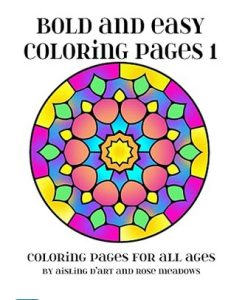 So, since the first “bold and easy” coloring book clearly stated that the phrase is descriptive, (the lines are “bold” and make it “easy” to color the pages), we doubt that any related trademarks can be registered.
Likewise, we raise an eyebrow if anyone tries to trademark adjectives like “cute” or “cozy.”
If you need further clarification, we recommend consulting an attorney.
Our AI Policies
For basic tasks, including general plotting, early story outlines, and the very simplest of editing, AI might be useful.
However, we believe that AI’s results lack the depth and authenticity that readers want.
AI phrasing can seem stilted and shallow, similar to many AI-generated cover images.
Worse, in some cases, AI can make errors. It may also rely upon text that’s copyrighted.
We want your book to resonate with your intended audience and retain your unique, original voice.
At New Forest Books, our books are written by real people, not AI. No exceptions.